
What Is Electrical Grounding?
Electrical grounding is part of the safety system that helps protect people and property when electrical faults or abnormal voltage conditions occur. A home’s grounding and bonding system connects electrical equipment, conductive components, and the electrical service to an established grounding system.
Grounding and bonding work together with circuit breakers and other protective devices to help provide a safe electrical system. Grounding also establishes a connection to earth that helps manage lightning, surges, and other abnormal voltage conditions. Because the system involves several components—not simply a ground rod—proper installation and connections throughout the electrical system are important.
Signs Your Home May Have a Grounding or Wiring Problem
Grounding problems aren’t always obvious, and many symptoms associated with grounding can also be caused by other electrical issues. If you notice any of the following conditions, a licensed electrician can inspect your electrical system to determine the cause and whether grounding or bonding needs attention.

You Have Two-Prong Outlets
Two-prong receptacles are common in older homes and may indicate that the circuit does not have an equipment grounding conductor. An electrician can evaluate the existing wiring and recommend an appropriate solution for updating older outlets.
You Feel a Shock or Tingling Sensation
A shock or tingling sensation when touching an appliance, fixture, or other conductive surface can indicate an electrical fault or grounding and bonding problem. Stop using the affected equipment and have the problem evaluated promptly.
Three-Prong Outlets Test as Ungrounded
A three-prong receptacle doesn't necessarily mean that a proper equipment grounding path is present. If an outlet tester or electrical inspection identifies an ungrounded receptacle, an electrician can evaluate the circuit and determine the appropriate correction.
Repeated Electrical Problems
Recurring breaker trips, flickering lights, dead outlets, or intermittent power can have many causes, including wiring and connection problems. Professional troubleshooting can determine whether grounding or bonding is contributing to the issue.
Buzzing, Sparking or Unusual Heat
Persistent buzzing, unusual sparking, discoloration, or excessive heat around outlets, switches, or electrical equipment can indicate damaged components, loose connections, or other electrical problems that should be inspected.
Your Home Has Older or Altered Wiring
Older electrical systems or wiring that has been modified over the years may have missing, damaged, or improperly connected grounding components. An electrical inspection can help determine whether the system provides appropriate grounding and bonding.
Why Grounding Matters for Home Safety
A properly-grounded electrical system provides protection for your family in a variety of ways:
Helps Protect Against Electrical Shock
Proper grounding and bonding help provide a path for fault current so protective devices can respond when certain electrical faults occur.Supports Electrical Protection
A properly-installed grounding and bonding system works with breakers, GFCIs, surge protection, and other safety components as part of the home’s overall electrical system.Helps Protect Electrical Equipment
Grounding plays an important role in managing abnormal voltage conditions and works alongside surge protection to help protect electrical equipment.


How Proper Grounding Is Established
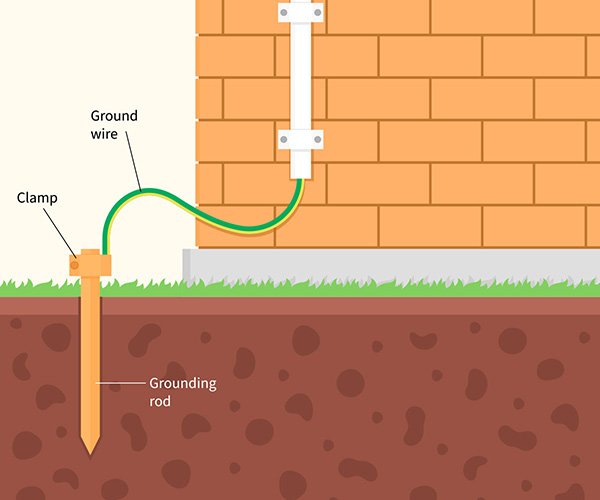
The appropriate grounding and bonding system depends on the home’s electrical service, existing wiring, available grounding electrodes, and other installation conditions. When problems are identified, a licensed electrician can determine which components or connections need to be installed, repaired, or updated. Work may include:
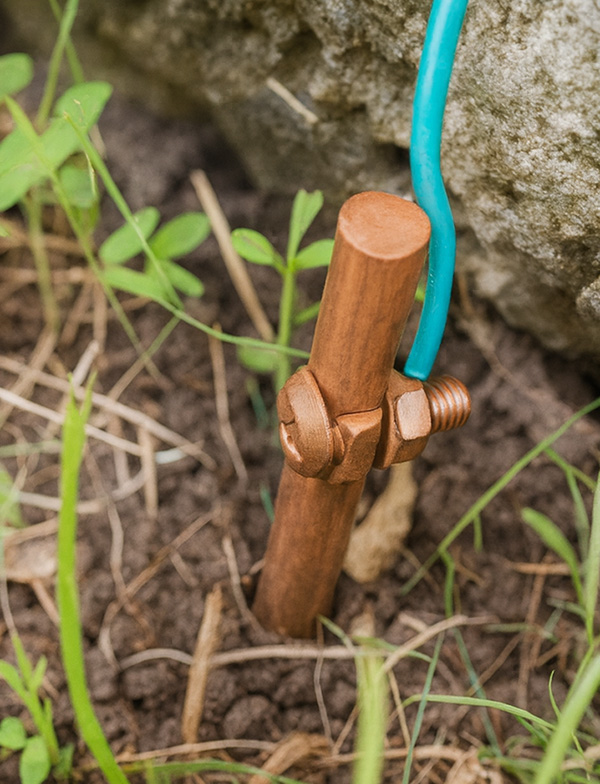
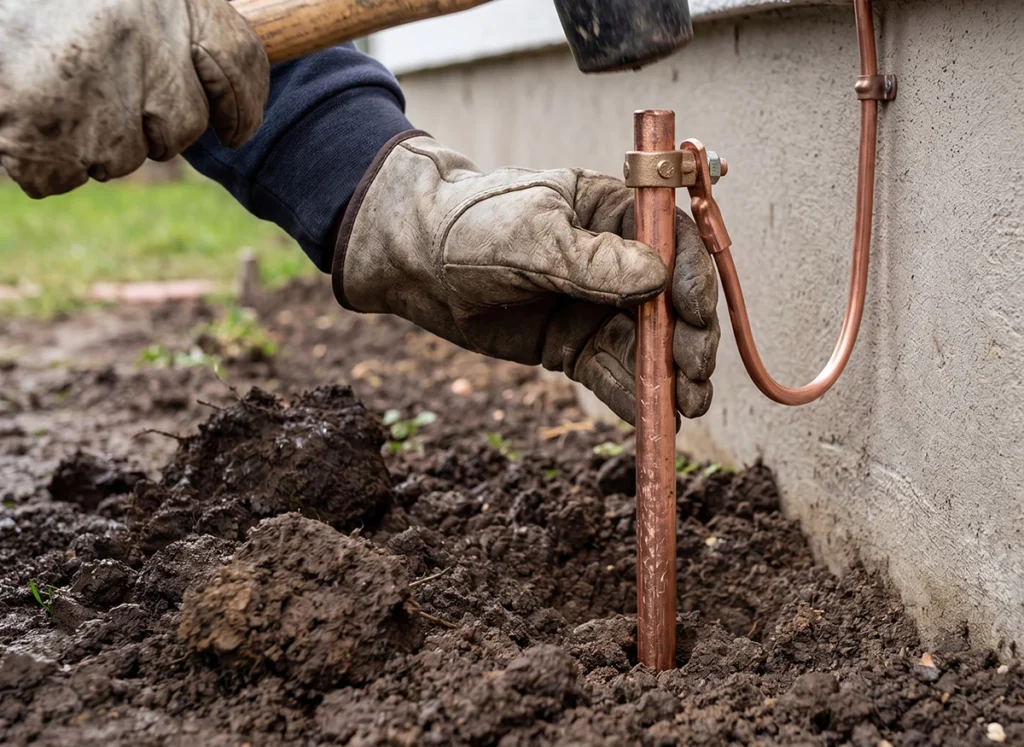
- Grounding Electrodes: Installing or correcting grounding electrodes, such as ground rods, when required for the electrical service.
- Grounding Electrode Conductors: Ensuring appropriate conductors connect the electrical service to the grounding electrode system.
- Bonding: Properly bonding required metal components and electrical equipment to create an effective fault-current path.
- Equipment Grounding: Correcting missing, damaged, or improperly connected equipment grounding conductors where appropriate.
- Connections & Components: Repairing corroded, loose, damaged, or improperly installed grounding and bonding connections.
These improvements help your home handle electrical faults safely, ensuring that dangerous currents go exactly where they’re supposed to—into the ground, not through your electrical system or your family.
How Grounding is Tested
A grounding inspection may involve examining the electrical service, grounding electrodes, bonding connections, outlets, wiring, and other accessible components of the grounding system. Depending on the situation, electricians may also perform electrical testing to verify connections and identify grounding or bonding problems.
Visual Inspection: We examine accessible grounding and bonding components for loose connections, corrosion, damage, improper installation, or missing components.
Electrical Testing: Diagnostic testing can help determine whether grounding and bonding connections are intact and whether an electrical problem requires further investigation.
Recommendations: If a problem is identified, we’ll explain what we found and recommend the appropriate repair or electrical upgrade.
Our Grounding Inspection & Correction Process
Our grounding inspection and correction process is designed to identify problems with your home’s grounding and bonding system and determine the appropriate solution. From inspecting existing components and connections to performing electrical testing and correcting identified issues, our licensed electricians take a thorough approach to help ensure your grounding system works properly with the rest of your home’s electrical system.
1. Discuss Your Concerns
We start by discussing any electrical symptoms, older outlets, previous electrical work, or other reasons you’re concerned about your home’s grounding.
2. Inspect the Electrical System
Our electrician evaluates accessible grounding and bonding components, the electrical service, panel, outlets, and other relevant parts of the system.
3. Test as Needed
We perform appropriate electrical testing to help identify missing or improper grounding, connection problems, or other electrical issues.
4. Explain Our Findings
We’ll explain any problems we identify and recommend the appropriate grounding, bonding, wiring, or other electrical corrections.
5. Complete & Verify Repairs
With your approval, we’ll complete the necessary work and verify the corrected components for proper operation.
Protect Your Home with Whole House Surge Protection
Proper grounding is an important part of your home’s electrical safety system, but grounding alone isn’t a substitute for surge protection. A professionally installed whole-home surge protector provides another layer of protection against damaging voltage spikes caused by lightning, utility events, and other electrical disturbances.
ESCA can evaluate your grounding system and whole-home surge protection to help determine whether your home has appropriate protection for its electrical system and connected equipment.

What Are the Benefits of Grounding Your Home?
Helps Protect Against Electrical Shock
Proper grounding and bonding help reduce electrical shock hazards by providing an appropriate path for fault current under certain fault conditions.
Addresses Problems in Older Electrical Systems
Evaluating grounding can identify missing or outdated components in older homes and electrical systems that have been modified over time.
Helps Protective Devices Operate
An effective fault-current path helps circuit breakers and other protective devices respond appropriately when certain electrical faults occur.
Supports Modern Electrical Safety
Proper grounding and bonding are fundamental components of modern residential electrical systems and work with other protective measures throughout the home.
Supports Surge Protection
A properly-installed grounding system is an important part of the overall electrical system and works alongside surge-protection equipment to help manage abnormal voltage conditions.
Greater Confidence in Your Electrical System
Having the grounding and bonding system professionally evaluated can give you a clearer understanding of its condition and identify corrections that may be needed.
Frequently Asked Questions About Home Electrical Grounding
What does grounding do in a home electrical system?
Grounding and bonding are parts of the electrical safety system that help manage electrical faults and abnormal voltage conditions. They work with breakers and other protective devices to reduce shock and electrical hazards and connect the electrical service to earth where required.
How do I know if my house is properly grounded?
You usually can’t determine whether an entire home is properly grounded just by looking at it. An electrician can inspect the electrical service, grounding and bonding components, outlets, and wiring and perform appropriate testing when needed.
Does a three-prong outlet mean it's grounded?
Not necessarily. A three-prong receptacle can be installed even when an equipment grounding conductor isn’t present. An electrician or appropriate electrical testing can determine whether the outlet has an effective grounding path.
Are two-prong outlets grounded?
Traditional two-prong receptacles do not provide an equipment grounding connection for a three-prong plug. If your home still has two-prong outlets, an electrician can evaluate the wiring and recommend appropriate options for updating them.
Can I replace a two-prong outlet with a three-prong outlet?
Sometimes, but simply installing a three-prong receptacle doesn’t create a ground. The appropriate solution depends on the existing wiring and may involve providing a grounding path or using another code-compliant method. A licensed electrician can determine the right approach.
What's the difference between grounding and GFCI protection?
Grounding and GFCI protection serve different purposes. An equipment grounding path is part of the electrical fault-protection system, while a GFCI monitors current and quickly interrupts power when it detects an imbalance that could indicate current flowing along an unintended path. A GFCI can provide important shock protection even in certain situations where an equipment grounding conductor isn’t present.
Is grounding the same as surge protection?
No. Grounding and surge protection work together but perform different functions. Grounding is part of the home’s electrical safety system, while surge-protection devices are specifically designed to limit transient overvoltages that can damage electrical and electronic equipment.
Can an older home be properly grounded?
Yes. The appropriate solution depends on the home’s existing wiring and electrical system. An electrician can evaluate older wiring, outlets, service equipment, and grounding and bonding components and recommend any necessary corrections or upgrades.
Home Electrical Grounding for Maumelle Homes
As a Maumelle-based electrical company, ESCA helps homeowners evaluate grounding and bonding concerns in both established and newer homes. Older electrical systems may have two-prong outlets, missing equipment grounds, or grounding components that have been altered during previous electrical work, while renovations and electrical upgrades can also create opportunities to evaluate the home’s grounding system.
Our licensed electricians can inspect your home’s grounding and bonding components, identify problems, and recommend appropriate corrections based on the existing electrical system and your home’s needs.
Make Sure Your Home Is Properly Grounded
If you’re concerned about two-prong outlets, older wiring, previous electrical work, or another potential grounding issue, let ESCA evaluate your electrical system. Schedule a grounding inspection with our licensed electricians serving Maumelle and communities throughout Central Arkansas.