What Is a Standby Generator?
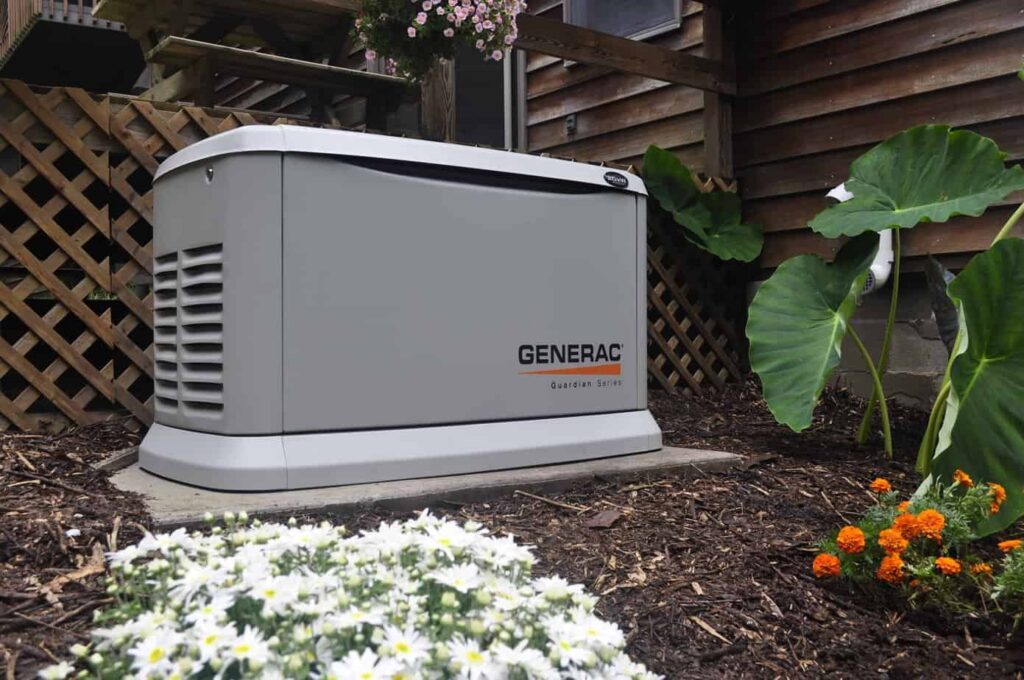
A standby generator is a permanently-installed backup power system located outside your home. Unlike portable generators that must be manually set up and started, a standby generator monitors utility power and automatically turns on when an outage occurs.
Although homeowners sometimes use the terms “backup generator” and “standby generator” interchangeably, ESCA specializes specifically in permanently-installed standby generators—not portable backup generators. These systems are connected to your home’s electrical system through an automatic transfer switch and typically operate on natural gas or propane.
How Does a Standby Generator Work
A standby generator works by automatically providing backup power during an outage. This automated process ensures seamless power transition during outages, maintaining electricity for critical home systems without manual intervention. Here’s how the process unfolds:
Detection and Activation
The standby generator continuously monitors incoming utility power. When an outage is detected, the generator automatically starts without requiring the homeowner to manually activate it.
Power Generation
The generator engine, typically fueled by natural gas or propane, powers an alternator that produces electricity for the home.
Automatic Power Transfer
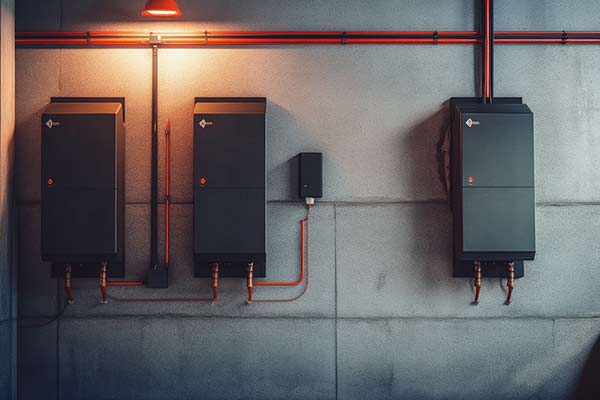
An automatic transfer switch safely disconnects the designated electrical load from utility service and transfers it to the standby generator.
Powering Your Home
The generator supplies electricity to the circuits and equipment included in the system design. Depending on generator size and your home's electrical load, the system may power essential circuits or provide broader whole-home backup power.
Return to Utility Power
When utility power is restored, the automatic transfer switch reconnects the home to utility service. The generator then completes its cool-down cycle and automatically shuts off, ready for the next outage.
What Can a Standby Generator Power?
What a standby generator can power depends on the size of the generator, your home’s electrical load, and how the system is configured. A properly-sized standby generator may provide backup power for selected essential circuits or support many of your home’s systems and appliances during an outage.
Essential Appliances
- Refrigerators and freezers
- Cooking appliances
- Selected household appliances
Heating & Cooling
- Central air conditioning
- Furnaces and heating systems
- Fans and related equipment
Essential Home Systems
- Interior and exterior lighting
- Security systems
- Sump pumps
- Well pumps
- Garage door openers
Electronics & Communication
- Internet equipment
- Computers and home-office equipment
- Televisions
- Phones and charging devices

Our Standby Generator Installation Process
Installing a standby generator involves several key steps performed by qualified professionals and typically takes 1-2 days. Here’s an overview of our installation process:
Home & Power Needs Evaluation
We evaluate your home’s electrical system, available fuel source, installation location, and the appliances and systems you want to keep powered during an outage. This helps determine the appropriate standby generator size and system configuration.Site Preparation
We select an appropriate outdoor location that meets applicable clearance, access, and installation requirements and prepare the site for the permanently installed generator.Generator Placement & Connections
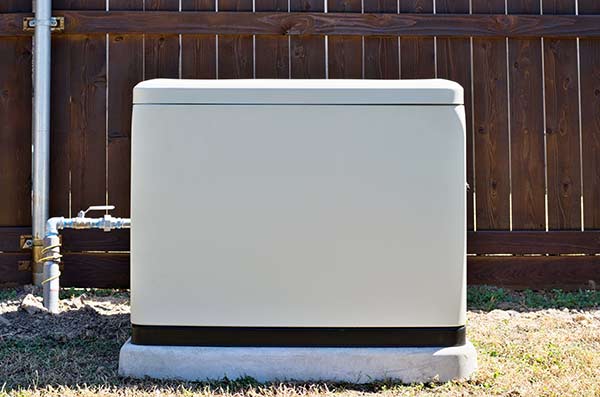
The standby generator is securely positioned outside the home and professionally connected to the appropriate fuel source and electrical system. Installation requirements vary depending on the generator, property, and available utilities.Automatic Transfer Switch Installation
An automatic transfer switch connects the standby generator to your home’s electrical system and allows backup power to activate automatically when utility service is interrupted.Testing & Final Walkthrough
After installation, we test the standby generator and automatic transfer system for proper operation. We’ll explain how the system works and review basic operation and maintenance information so you know what to expect when an outage occurs.
Standby Generator Maintenance
A standby generator needs regular maintenance to help ensure it’s ready when the power goes out. Because the system may sit unused for long periods between outages, routine service gives a technician an opportunity to inspect the generator, identify potential problems, and verify that the system is operating properly.
Electrical Solutions of Central Arkansas provides standby generator maintenance for homeowners throughout Central Arkansas. Maintenance needs vary by generator manufacturer, model, operating hours, and service history, so our team can help determine the appropriate maintenance schedule for your system.
Benefits of a Standby Generator
Standby generators serve as essential tools for maintaining power during outages. Knowing that your home is equipped with a reliable backup power source provides significant peace of mind. Here are other key benefits:
Automatic Backup Power
A standby generator automatically responds when utility power is interrupted, providing backup electricity without requiring you to set up, connect, fuel, or manually start a portable generator.
Keeps Essential Equipment Running
Depending on the generator’s size and system design, standby power can keep refrigerators, freezers, lighting, pumps, medical equipment, and other important household systems operating during an outage.
Helps Maintain Home Security
Backup power can help keep compatible security systems, cameras, exterior lighting, garage doors, and other home-security equipment operating when utility power is unavailable.
Comfort During Extended Outages
A properly-sized standby generator may allow heating or cooling equipment, lighting, appliances, and other household essentials to continue operating during an extended outage.
Automatic, Hands-Off Operation
Because a standby generator is permanently installed and connected through an automatic transfer switch, it can provide backup power even when you’re away from home when an outage occurs.
Preparedness for Arkansas Weather
Central Arkansas thunderstorms, severe weather, and unexpected utility outages can interrupt power at any time. A standby generator provides a reliable backup-power solution designed to be ready when your home loses utility service.
Frequently Asked Questions About Standby Generators
What's the difference between a standby generator and a backup generator?
“Backup generator” is a broad term for equipment used to provide power during an outage. Portable backup generators typically require manual setup, fueling, and connection. A standby generator is permanently installed outside the home, connected to the electrical system through an automatic transfer switch, and designed to start automatically when utility power is lost. ESCA installs and maintains permanently installed standby generators rather than portable generators.
Does ESCA install portable backup generators?
No. Electrical Solutions of Central Arkansas specializes in permanently-installed standby generators that automatically provide backup power during an outage. We do not install portable generators.
How much does standby generator installation cost?
Installation cost depends on the generator size, electrical requirements, fuel source, transfer switch, installation location, and other property-specific factors. ESCA can evaluate your home and provide an estimate based on the standby generator system and installation requirements.
What size standby generator does my home need?
The appropriate generator size depends on the appliances and systems you want to operate during an outage and their combined electrical load. ESCA can evaluate your home’s electrical needs to help determine an appropriately sized standby generator.
Can a standby generator power my entire home?
Possibly. Some standby generators are designed to power selected essential circuits, while larger systems may support most or all of a home’s electrical needs. The appropriate system depends on generator capacity and your home’s electrical load.
What fuel does a standby generator use?
Home standby generators commonly operate on natural gas or propane. The appropriate fuel source depends on the generator, property, available utilities, and installation requirements.
Does a standby generator require maintenance?
Yes. Regular maintenance helps keep a standby generator ready to operate when an outage occurs. Service requirements vary by manufacturer, model, operating hours, and other factors. ESCA provides standby generator maintenance in Maumelle and throughout Central Arkansas.
How often should a standby generator be serviced?
Maintenance intervals vary by generator manufacturer, model, operating hours, and usage. Follow the manufacturer’s recommended maintenance schedule, and have the system evaluated if you notice warning indicators, unusual operation, or other problems.
Standby Generator Installation & Maintenance for Maumelle Homes
As a Maumelle-based electrical company, ESCA helps local homeowners prepare for the power outages that can accompany Central Arkansas thunderstorms and severe weather. A permanently installed standby generator can automatically provide backup power when utility service is interrupted, helping keep important household systems running until power is restored.
Whether you’re planning a new standby generator installation or need maintenance for an existing system, our licensed electricians can help keep your home’s backup power system ready when you need it.
Be Ready When the Power Goes Out
Protect your home from the disruption of unexpected outages with professional standby generator installation and maintenance from Electrical Solutions of Central Arkansas. Schedule an estimate or service today with our licensed electricians serving Maumelle and communities throughout Central Arkansas.